



Time:2023.11.07Browse:1
Expanded graphite, also known as flexible graphite or vermicular graphite, is a new type of carbon material. Expanded graphite has many advantages, such as large specific surface area, high surface activity, good chemical stability, and high temperature resistance. The commonly used preparation process for expanded graphite is to use natural flake graphite as the material, which is first oxidized to form expandable graphite, and then expanded to form expanded graphite. Expanded graphite materials can instantly expand by 150-300 times in volume when exposed to high temperatures, changing from flaky to wormlike, resulting in a loose structure, porous and curved structure, expanded surface area, improved surface energy, and enhanced adsorption of flake graphite. Wormlike graphite can be self embedded between them, making the material have functions such as flame retardancy, sealing, and adsorption. It has wide applications in fields such as life, military, environmental protection, and chemical engineering.
Preparation method of expanded graphite
Expanded graphite mostly uses chemical oxidation and electrochemical oxidation methods. The traditional chemical oxidation process is simple and has stable quality, but there are problems with acid waste and high sulfur content in the product. The electrochemical method does not use oxidants, and the acid solution can be recycled and reused multiple times. It has low environmental pollution and low cost, but the yield is low, and the requirements for electrode materials are high. Currently, it is only limited to laboratory research. These two methods, except for different oxidation methods, have the same post-treatment methods such as deacidification, water washing, and drying. Among them, chemical oxidation method is the most widely used method so far, with mature process and widespread promotion and application in industry.

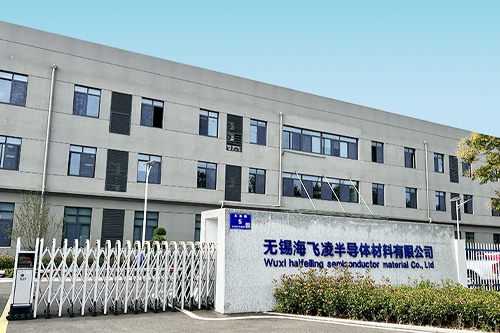
Haifeiling owns domestic advanced technology, equipment and high-level R D team, and is committed to creating well-known brand trademarks of Haifeiling products












 4008-168-001


 2023-02-08